


orphazchem Logo Orphazchem Contact Us
Contact Us

Muckross Friars Glen Loop: History and Hiking

Walk through centuries of history on this 3-kilometre circuit. The glen combines ancient woodland with fascinating ruins — it's paced for comfort and exploration.

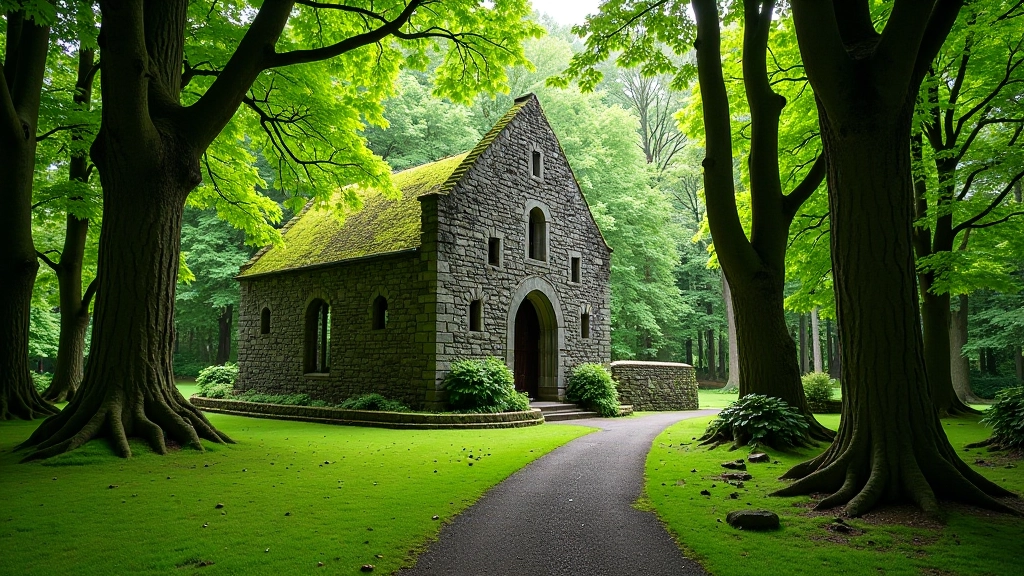
Historic stone ruins of Muckross Friary nestled among mature beech trees with dappled forest light
Siobhán O'Sullivan

Author

Siobhán O'Sullivan

Senior Hiking & Accessibility Correspondent

Why Muckross Friars Glen Stands Out

Most glen walks focus purely on scenery. But Muckross is different — you're literally walking through 500 years of history. The 13th-century friary ruins sit quietly among ancient beech trees, and the looped path means you're not retracing your steps. We're talking smooth woodland trails, no steep climbs, and plenty of spots to pause and actually look around. If you've been thinking about getting back into walking but felt uncertain about tackling longer routes, this glen is exactly where to start.

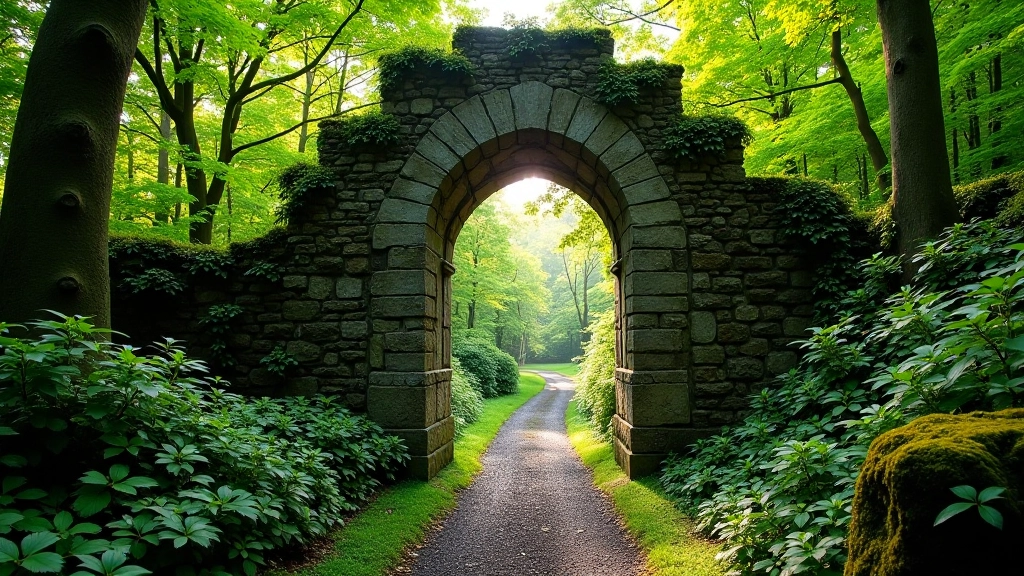
Ancient stone archway of medieval friary ruins surrounded by dense green woodland canopy
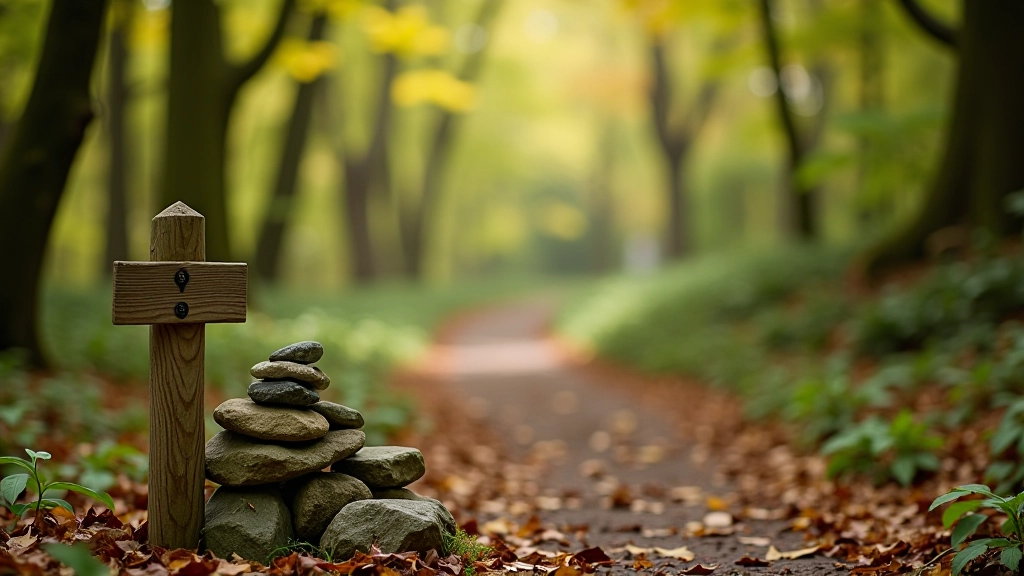
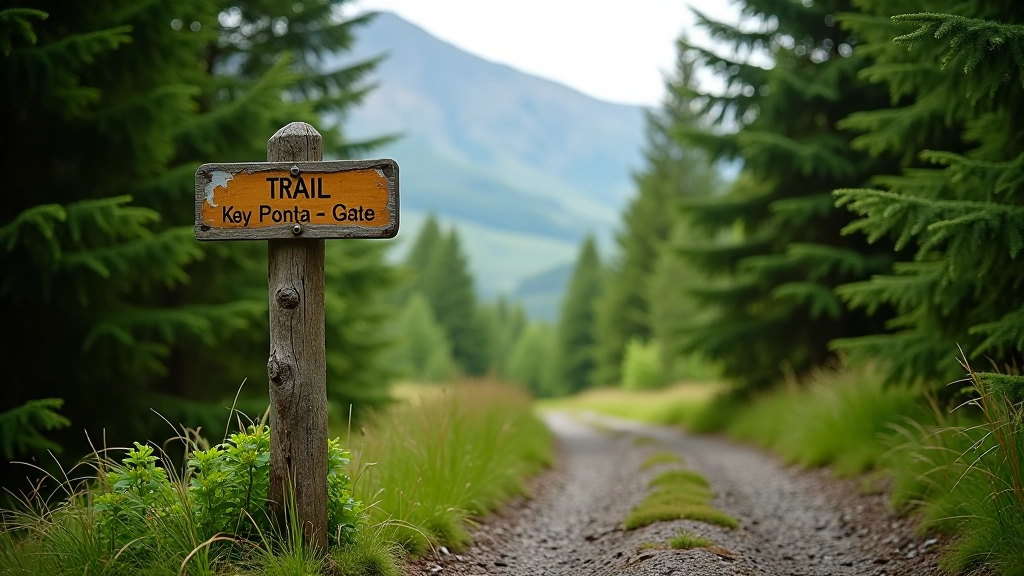
Forest trail marked with stone cairns and wooden signpost pointing toward Muckross estate grounds

The Route Breakdown

The full circuit runs 3 kilometres, which you'll walk in roughly 60 to 90 minutes depending on how often you stop. That's the beauty of it — there's no rushing involved. You start at the Muckross House car park, head into the glen proper, and follow the clearly marked trail through the woodland. The surface is mostly compacted earth and gravel. Some sections can get muddy after rain (definitely bring waterproof footwear in autumn and winter), but it's nothing technical.

Key facts:
Distance: 3 kilometres
Time: 60-90 minutes
Terrain: Woodland trail, mostly level with gentle slopes
Surface: Compacted earth and gravel
Facilities: Car park, toilets at Muckross House nearby

The Historical Layer

What makes this glen genuinely special is the friary. Founded in 1448 by the Franciscans, Muckross Friary's ruins are still impressively intact — you can make out the church structure, the cloister layout, and the tower. Walking around it, you're seeing the actual footprint of monastic life from nearly 600 years ago. The stone carvings are still visible on some walls, and if you look carefully, you'll spot carved crosses and decorative details that survived centuries of weather.

The friary was dissolved during Henry VIII's reforms in the 1540s, but local communities kept returning to the site. Even now, it holds a quiet reverence — locals and visitors alike treat the ruins with respect. There's no entrance fee, no guided tour needed. You just walk up and stand in spaces where people worshipped, studied, and lived for generations.
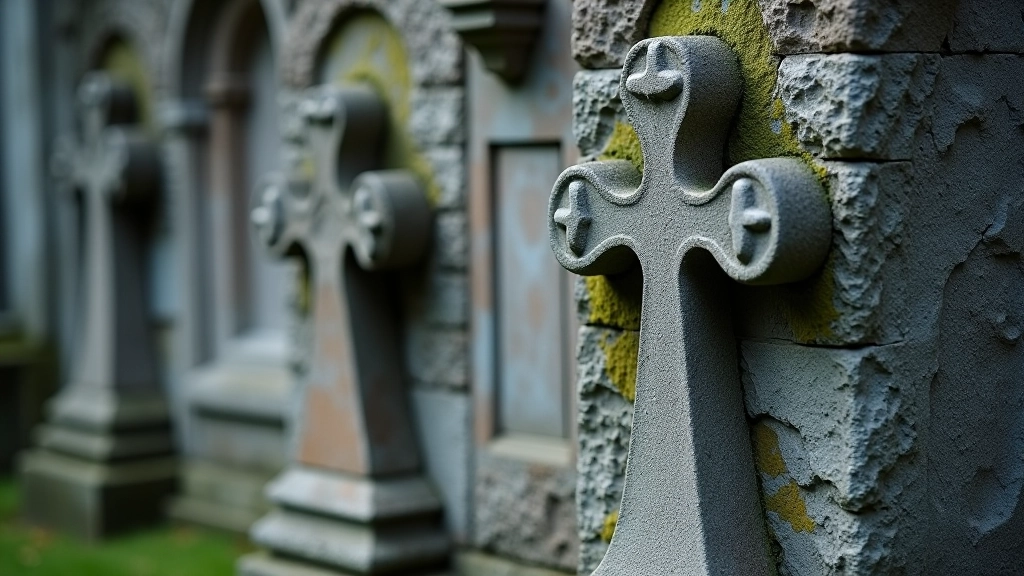
Close-up detail of carved stone crosses and medieval architectural details on ancient friary walls
Hiker wearing waterproof jacket and walking boots on forest trail with backpack and water bottle

What to Bring and Wear

You don't need special gear for this walk, but preparation makes it genuinely enjoyable. Waterproof walking boots are essential — the woodland floor can be boggy even when it hasn't rained recently. Layers are your friend because you're sheltered under tree cover but moving at a steady pace. A light rain jacket takes up almost no space and saves you from getting caught out.

Essentials:
• Waterproof hiking boots (not trainers)
• Layered clothing (base + mid-layer + jacket)
• 1.5-litre water bottle or hydration pack
• Small backpack (20-25 litres)
• Hat and sun protection (the canopy isn't thick enough everywhere)
• Phone with offline map app (signal can be patchy)
• Basic first aid kit

Walking poles aren't strictly necessary but many people find them helpful on the steeper sections. They reduce impact on knees and give you something to brace against on muddier stretches.

Notable Spots Along the Loop

Don't rush through these. Each one rewards a few minutes of attention.

The Friary Church

The main structure is unmistakable. You can make out the high windows and the decorative stonework. Stand inside and look up — the scale gives you a real sense of how important this building was to the community.

The Cloister Remains

The outline of the cloister is still visible in the ground and stone foundations. Monks would've walked these same stones during their daily routines. It's a tangible connection across centuries.

The Woodland Canopy

Mature beech and oak trees create a natural cathedral. In spring it's full of birdsong; in autumn the golden light is genuinely magical. Even in winter when leaves are gone, the structure of the trees is stunning.

The Water Features

Small streams run through the glen, especially in wetter months. They create natural rest points where you can sit on rocks and listen. Very restorative after 30-40 minutes of walking.

Important Information

This guide is for informational purposes and based on typical conditions. Weather, seasonal changes, and maintenance work can affect trail conditions at any time. Always check current conditions with Muckross House or local visitor services before your visit. Wear appropriate footwear, bring water, and let someone know your planned route and expected return time. If you have mobility concerns or health conditions, consult with your doctor before attempting any hiking.

Why This Walk Works

You get history, scenery, and gentle exercise all in one loop. There's no scrambling, no exposure, and no feeling like you're grinding through a "proper hike." Instead, you're strolling through a glen that's been quietly remarkable for 600 years. The physical benefit is real — you're moving steadily for 60-90 minutes, building cardiovascular fitness and strengthening your legs — but it doesn't feel like work. It feels like exploring.

Start early if you can, bring water and snacks, and don't worry about pace. Everyone's rhythm is different, and that's exactly the point of walking in a place like this. You're not racing to a summit or ticking off a challenge. You're spending time in a space that's been important to people for centuries. That's the real value.