
Torc Waterfall Trail: A Complete Walking Guide
A manageable 4.5-kilometre route with spectacular views, rest stops, and genuine natural beauty

Why Torc Waterfall Matters
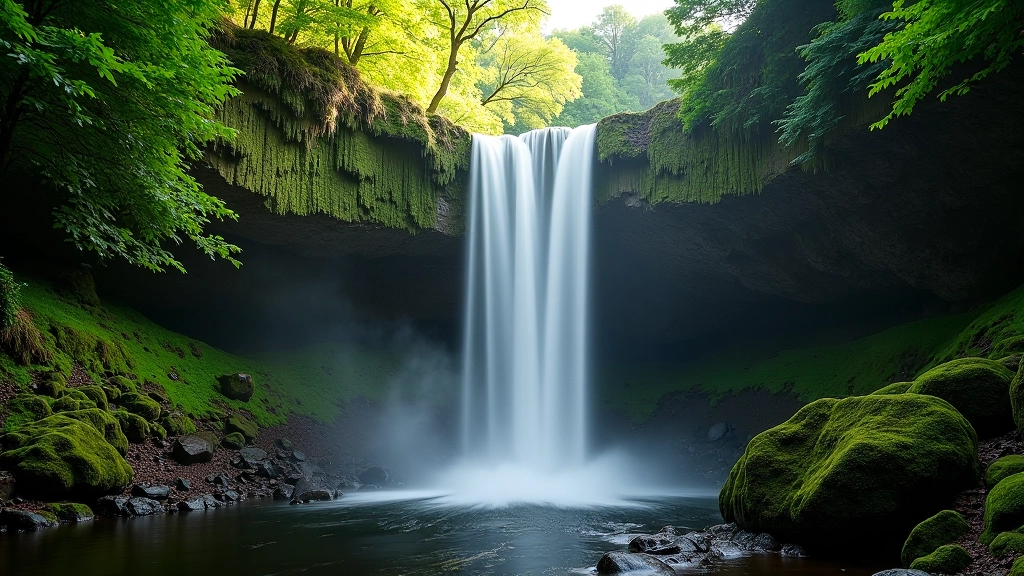
Torc Waterfall isn't a hidden gem anymore—it's one of Ireland's most-walked trails. And there's good reason. The route delivers everything: a proper hike without being punishing, stunning water features, and views that actually take your breath away. You're not grinding uphill for hours just to see rocks. The falls are real, they're impressive, and they're worth the effort.
We've walked this route a dozen times in all seasons. Summer's busy, but winter and spring? Quieter, moody, beautiful in their own way. You'll find benches for resting, clear paths that don't require scrambling, and a pace you can actually control. That matters when you're managing energy levels or working around dodgy knees.
4.5
km distance
Round trip with no shortcuts
90-120
minutes
At a steady pace with photo stops
5
rest spots
Benches positioned along the route
Understanding the Route
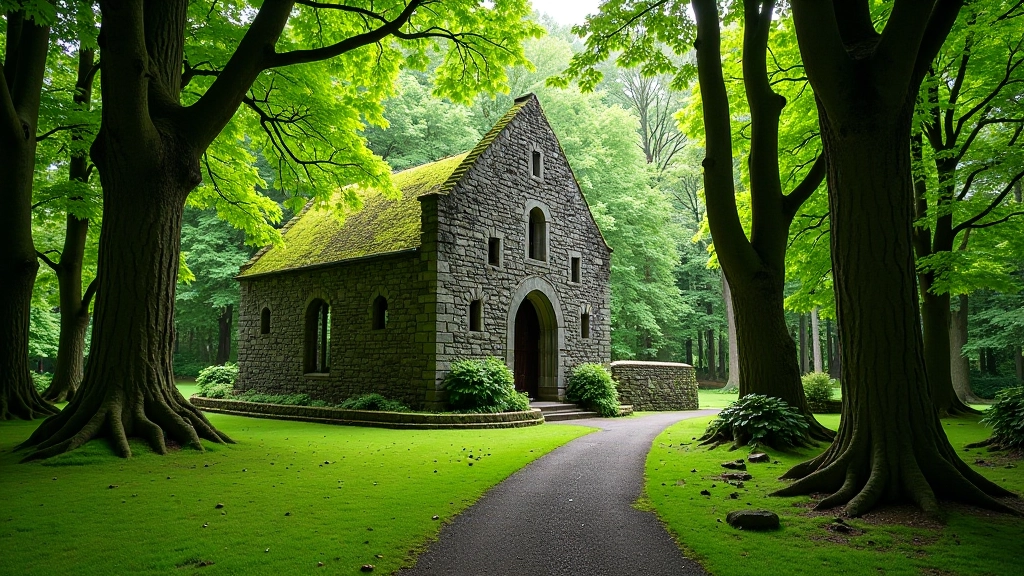
The walk starts at the Torc Mountain car park—you'll find it clearly signposted from the Killarney town centre. The first 800 metres climb steadily through mixed woodland. Oak and yew trees dominate here, and the shade's welcome on warm days. The path is well-maintained, wide enough for two people to walk side by side, and there's a gentle grade rather than sharp switchbacks.
Around the 1.2-kilometre mark, the landscape opens slightly. You'll see Muckross Lake below through the trees—it's a good psychological boost because you're starting to climb above the forest canopy. The second half of the route gets steeper, but nothing dramatic. Think of it as a solid walk, not a scramble. The waterfall appears suddenly as you round a bend—cascading down maybe 20 metres of moss-covered rock. It's not Niagara Falls, but it's genuine and powerful.
Path Conditions & What to Expect
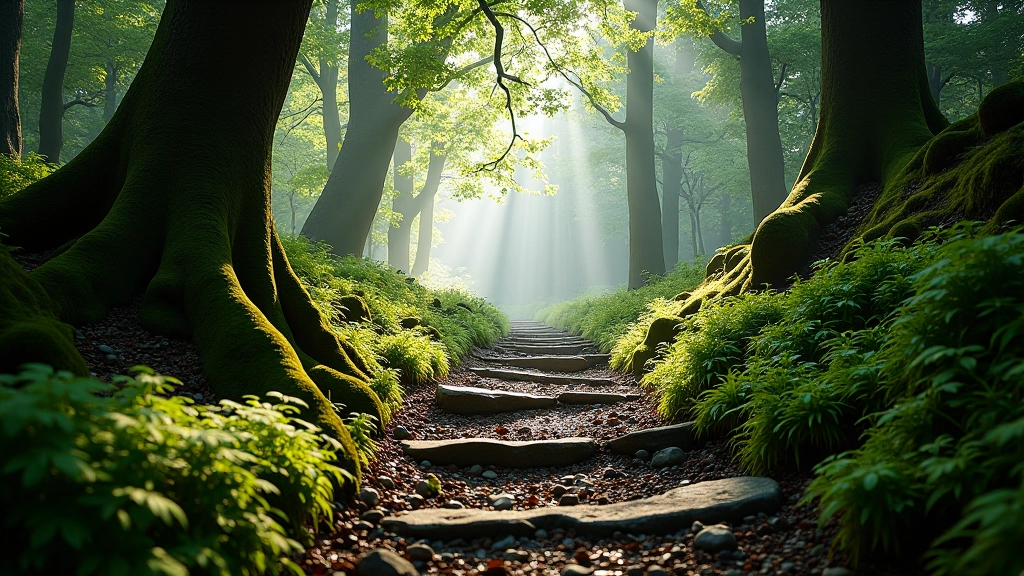
The path surface changes as you climb. Lower sections are packed earth and gravel—solid and predictable. As you gain altitude, you'll hit more stone steps, especially in the final push to the waterfall. They're not extreme, but they're definitely there. The moss on rocks near the falls isn't as slippery as it looks, but it's worth stepping carefully, particularly when it's been wet.
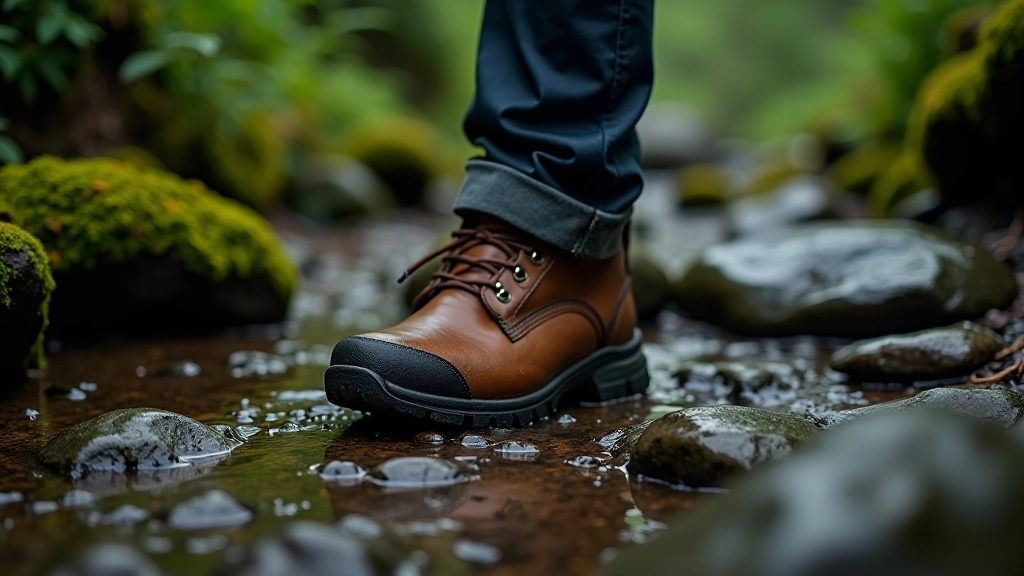
Rain happens frequently in Killarney. After heavy rain, the path drains reasonably well—you won't be wading through mud. But boots with good grip are essential. The route stays in the open for the upper section, so wind can pick up. Bring a windproof layer even if the morning seems calm. The microclimate near the waterfall itself is cooler and damper, so don't shed layers thinking you're done.
Terrain breakdown:
- Lower section: gravel and earth path, minimal gradient
- Middle section: increasing steepness, mixed stone and earth
- Upper section: stone steps and rocky terrain, final ascent steeper
- Waterfall area: wet rocks, moss, uneven surfaces
Getting Ready for the Walk
You don't need specialized gear for this route, but the right equipment makes a genuine difference. Waterproof hiking boots with ankle support are worth the investment. They'll last years and your ankles will appreciate the stability on uneven terrain. Wear moisture-wicking socks—cotton holds sweat and creates blisters. Merino wool or synthetic blends dry quickly.
For the body itself, the walk is sustainable for people with varied fitness levels. What matters isn't pure cardiovascular fitness—it's steady pacing and knowing when to rest. Don't try to match faster walkers. Set your own rhythm. The benches along the route exist because they're needed, not for decoration. Using them isn't weakness; it's smart planning. You'll see fit people in their seventies taking breaks and slower people in their fifties pushing too hard. Pace yourself.
Essential items:
Waterproof jacket (windproof too)
Hiking boots with grip and ankle support
1.5 litres of water minimum
Energy snack (nuts, fruit, or energy bar)
Sun protection (hat, sunscreen)

Best Times to Walk
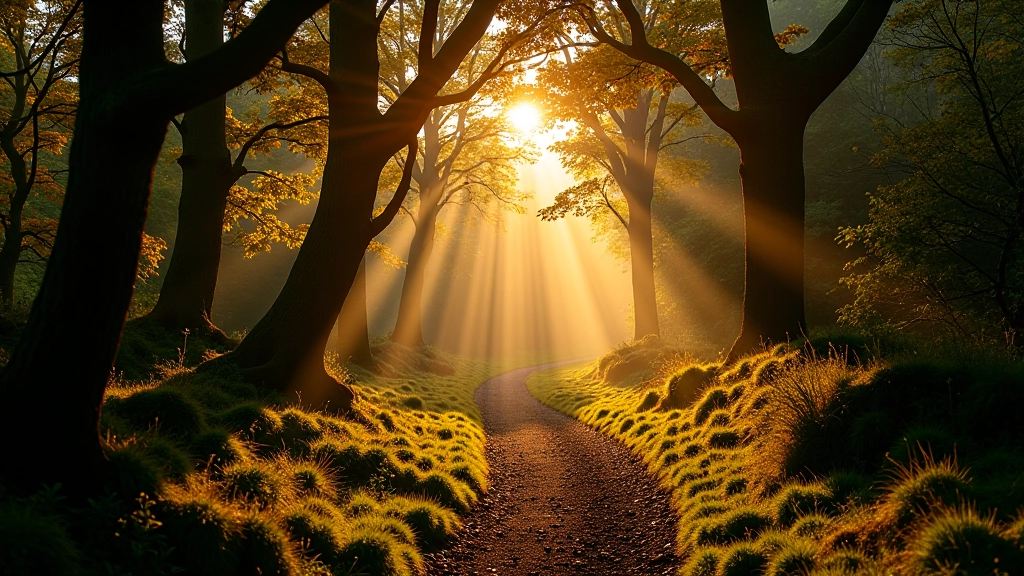
Avoid summer weekends if you value quiet. June through August brings tour groups and families, especially midday. The car park fills by 10 am. That's not necessarily bad—you're never alone if something goes wrong—but it's crowded. Spring and autumn offer the best balance: fewer people, good weather windows, and the landscape looks genuinely beautiful without being packed.
Start early. A 7 or 8 am start means you'll summit by mid-morning, rest near the waterfall while it's quiet, and be back at the car park before afternoon crowds arrive. The morning light is better for photography too. If you're slower, starting early gives you buffer time and means you'll descend in good daylight. Never rush to finish before dark—it's not worth the risk.
Seasonal reality check:
Winter offers solitude and dramatic skies. The waterfall is more powerful with rainfall. But darkness comes early—5 pm in December. Spring is genuinely best: longer daylight, wildflowers on the lower slopes, and manageable weather. Autumn's reliable too, though some paths get slippery leaves. Summer's popular but hot on exposed sections.
Important Disclaimer
This guide provides educational information about the Torc Waterfall Trail based on observations and typical conditions. Hiking involves inherent risks including uneven terrain, weather changes, and physical exertion. Conditions vary seasonally and daily. Always check current weather forecasts before departing. If you have health concerns or physical limitations, consult your doctor before attempting this route. You're responsible for your own safety decisions. Stay aware of your surroundings, know your fitness level, and don't hesitate to turn back if conditions aren't manageable. Killarney National Park management information is available at visitor centres.
Taking the First Step
Torc Waterfall isn't a bucket-list hike. It's a proper walk through genuine Irish landscape with a real waterfall at the end. You'll work for it, but not excessively. The route rewards you with views, quiet moments if you time it right, and the satisfaction of reaching something worth reaching. It's not about conquering mountains—it's about moving through landscape and seeing what's there.
Plan your walk, dress appropriately, start early, and pace yourself. The waterfall will be there. The path is well-worn and clear. The views will be worth the climb. That's not hyperbole—it's what walkers report consistently, year after year.
Related Walks in Killarney
What to Expect on Killarney Walking Trails
Read guide